

Throughout the long - standing history of religious art, religious wax figures have played a multi - faceted and significant role. As a supplier of Religious Wax Figures, I have witnessed firsthand the profound impact these artworks have had on religious traditions, cultural expressions, and the spiritual experiences of countless individuals.
1. The Origins and Early Development of Religious Wax Figures
The use of wax figures in religious contexts can be traced back to ancient times. In ancient Egypt, wax was used to create small figurines representing deities. These early wax figures were often part of religious rituals and offerings. They were crafted with a certain level of detail, symbolizing the power and presence of the gods.
In the Greco - Roman world, wax was also employed in religious art. Wax masks, for example, were used in religious ceremonies and were believed to have a connection with the divine. These masks were sometimes placed on statues or used in processions to honor the gods.
During the Middle Ages in Europe, religious wax figures became more prominent. With the growth of Christianity, the Church played a central role in promoting religious art. Wax figures were used to depict saints, martyrs, and scenes from the Bible. These figures were often placed in churches and shrines, serving as a visual aid for the illiterate masses to understand religious teachings. They were also used in religious processions, where they were carried through the streets, inspiring devotion and piety among the believers.
2. Symbolism and Representation in Religious Wax Figures
Religious wax figures are rich in symbolism. Each figure is carefully crafted to represent a specific religious concept or personage. For instance, a wax figure of the Virgin Mary is often depicted with a serene expression, holding the baby Jesus in her arms. This image symbolizes motherhood, purity, and the divine incarnation. The blue cloak that Mary often wears in these figures is also symbolic, representing heaven and her role as the Queen of Heaven.

Wax figures of saints are another important category. Each saint has unique attributes that are represented in the wax figure. Saint Francis of Assisi, for example, may be shown with a bird on his hand, symbolizing his love for all creatures and his ability to communicate with nature. These symbols not only help the faithful to identify the saints but also convey the virtues and stories associated with them.
In addition to individual figures, wax figures are also used to represent religious scenes. The Nativity scene, with wax figures of Mary, Joseph, the baby Jesus, shepherds, and the Three Wise Men, is a common sight during the Christmas season. This scene not only commemorates the birth of Jesus but also tells the story of salvation and the coming of the Messiah.
3. Spiritual and Devotional Significance
Religious wax figures have a powerful impact on the spiritual and devotional lives of believers. They serve as a tangible link between the human and the divine. When believers see a wax figure of a saint or a religious event, they are able to visualize and connect with the spiritual reality that it represents.
In many religious traditions, believers offer prayers and make offerings in front of wax figures. These figures are seen as a focal point for worship and meditation. For example, in some Catholic churches, believers may light candles in front of a wax figure of a saint, asking for intercession and protection. The physical presence of the wax figure helps to create a sacred space and enhances the sense of reverence and devotion.
Religious wax figures are also used in religious pilgrimages. Pilgrims may visit shrines where famous wax figures are housed, believing that these figures have special spiritual powers. The act of traveling to see these figures and paying homage to them is a form of spiritual journey, which can bring about a deeper sense of faith and connection to the divine.
4. Artistic and Cultural Value
From an artistic perspective, religious wax figures are masterpieces. Skilled artisans spend hours crafting each figure, paying attention to every detail, from the facial expressions to the folds of the clothing. The use of wax allows for a high level of realism, making the figures appear almost lifelike.
These figures also reflect the cultural and historical context in which they were created. The style of a religious wax figure can vary depending on the region and the time period. For example, wax figures from the Baroque period are often characterized by their elaborate and dramatic poses, while those from the Renaissance period tend to have a more balanced and harmonious composition.
Religious wax figures are an important part of cultural heritage. They are often displayed in museums and art galleries, where they can be studied and appreciated by people from different backgrounds. These figures provide a window into the religious and cultural history of a particular region, and they help to preserve and transmit the values and traditions of past generations.
5. Our Offerings as a Religious Wax Figures Supplier
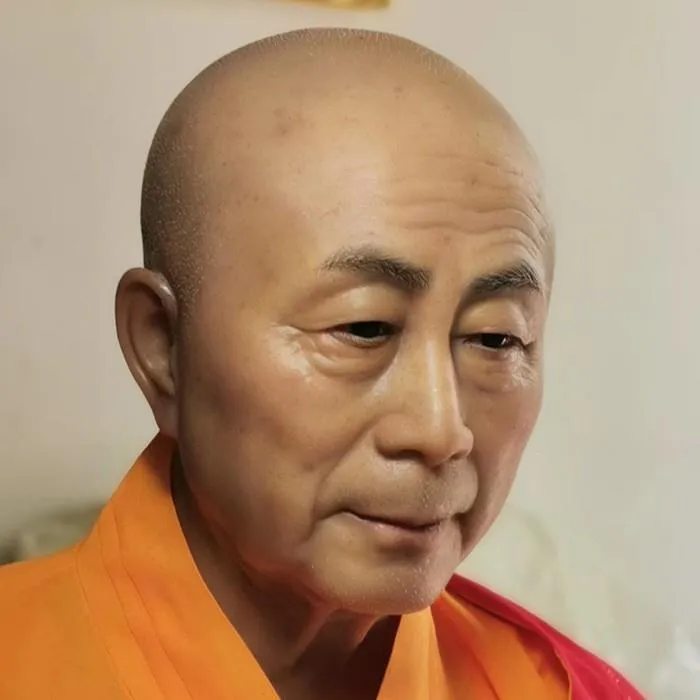
As a supplier of Religious Wax Figures, we are committed to providing high - quality products that meet the diverse needs of our customers. We offer a wide range of wax figures, including Silicone Human Figures, High Simulate Wax Statue, and Hyper Realistic Silicone Figurine.
Our silicone human figures are made with advanced materials, which give them a more realistic and durable quality. They are suitable for both indoor and outdoor display, and they can withstand the test of time. The high - simulate wax statues are crafted with great attention to detail, capturing the essence of the religious figures they represent. Our hyper - realistic silicone figurines are a step further in terms of realism, with lifelike skin texture and facial expressions.
We work closely with our customers to understand their specific requirements. Whether they need a single wax figure for a private collection or a large - scale set of figures for a church or a religious institution, we can provide customized solutions. Our team of experienced artisans ensures that each figure is of the highest quality, meeting the strictest religious and artistic standards.
6. Contact Us for Procurement and Collaboration
If you are interested in purchasing religious wax figures for your religious institution, private collection, or any other purpose, we invite you to contact us. We are more than happy to discuss your needs, provide detailed product information, and offer competitive pricing. Our goal is to help you find the perfect religious wax figures that will enhance your spiritual and cultural experience.
In conclusion, religious wax figures have a long and important history in religious art. They are not only symbols of faith and devotion but also works of art that reflect the cultural and artistic heritage of different regions. As a supplier, we are proud to be part of this rich tradition, and we look forward to serving you with our high - quality products.
References
- Barber, C. L. (1993). "The Figure of Flesh: Sacrifice, Self - Knowledge, and the Culture of Renaissance Drama". University of Chicago Press.
- Freedberg, D. (1989). "The Power of Images: Studies in the History and Theory of Response". University of Chicago Press.
- Rubin, M. (1991). "Corpus Christi: The Eucharist in Late Medieval Culture". Cambridge University Press.


