

How to make silicone figures with a stone - like finish
As a supplier of silicone figures, I've had the privilege of witnessing the art and science behind creating these remarkable pieces. Achieving a stone - like finish on silicone figures is a fascinating process that combines creativity, technical skills, and the right materials. In this blog, I'll share with you the step - by - step process of making silicone figures with a stone - like appearance.
Understanding the Basics of Silicone and Stone - like Finishes
Silicone is a versatile material known for its flexibility, durability, and ability to take on various textures and colors. To create a stone - like finish, we need to understand the characteristics of different types of stones. Stones can have a rough, textured surface, a smooth and polished look, or a combination of both. The key is to mimic these features on the silicone surface.
Step 1: Design and Mold Creation
The first step in making a silicone figure is to design the figure. This can be done using 3D modeling software or by creating a physical sketch. Once the design is finalized, a mold needs to be created. The mold can be made from materials such as plaster, fiberglass, or even another silicone mold. The quality of the mold is crucial as it will determine the final shape and details of the silicone figure.
There are different techniques for creating molds. One common method is the two - part mold. This involves creating a positive model of the figure first and then making a two - part mold around it. The mold is carefully crafted to capture all the details of the design.
Step 2: Selecting the Right Silicone
Not all silicones are created equal when it comes to achieving a stone - like finish. We need to choose a silicone that has good tear strength, flexibility, and the ability to hold details well. Some silicones are specifically formulated for casting and have properties that make them ideal for creating figures.
When selecting the silicone, consider the hardness of the material. A harder silicone may be more suitable for figures that need to stand on their own and have a more rigid structure, while a softer silicone can be used for more flexible or detailed parts.
Step 3: Mixing and Casting the Silicone
Once the mold is ready and the silicone is selected, it's time to mix the silicone. Most silicones come in two parts: a base and a catalyst. These two parts need to be mixed thoroughly in the correct ratio according to the manufacturer's instructions.

During the mixing process, it's important to remove any air bubbles. Air bubbles can cause defects in the final figure. This can be done by using a vacuum chamber or by gently tapping the mixed silicone to release the bubbles.
After mixing, the silicone is carefully poured into the mold. It's important to pour the silicone slowly to avoid creating more air bubbles and to ensure that it fills all the corners and details of the mold.
Step 4: Creating the Stone - like Finish
There are several ways to create a stone - like finish on the silicone figure. One method is to use texture additives. These additives can be mixed into the silicone before casting to give it a rough, stone - like texture. Another approach is to apply a texture after the silicone has cured.
For example, you can use sandpaper to gently sand the surface of the cured silicone to create a rough texture. You can also use carving tools to add more detailed textures, such as the look of cracks or veins in the stone.
Color is also an important aspect of achieving a stone - like finish. You can use silicone pigments to color the silicone before casting or apply a paint finish after the figure is cured. Earthy tones such as browns, grays, and tans are commonly used to mimic the colors of natural stones.
Step 5: Finishing Touches
After creating the texture and color, the figure may need some final touches. This can include adding a sealant to protect the finish and give it a more polished look. A clear coat can also enhance the appearance of the stone - like finish and make it more durable.
You can also add some additional details, such as small stones or pebbles glued onto the surface to further enhance the stone - like effect.
Examples of Our Silicone Figures
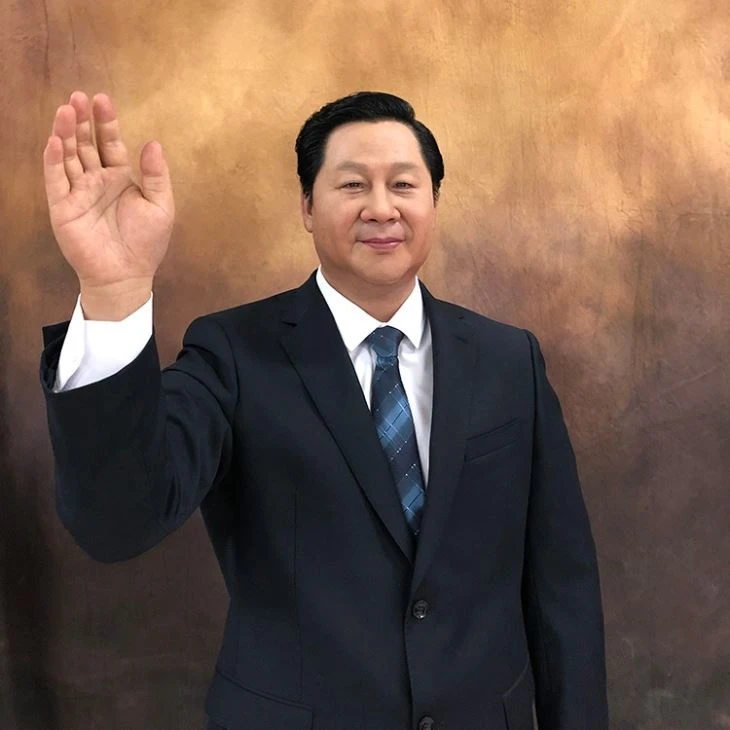
At our company, we have created a wide range of silicone figures with stone - like finishes. For instance, we have President Xi Jin Pin 1:1 Hyper Realistic Silicone Wax Figure that not only captures the likeness of the person but also has a unique stone - like finish that adds a touch of elegance. Our Wax Sculptures and Real Life Size Wax Figure also showcase the high - quality stone - like finishes that we can achieve.
Quality Control
Throughout the process, quality control is essential. We inspect each figure at every stage to ensure that it meets our high standards. This includes checking for any defects in the casting, the accuracy of the details, and the quality of the stone - like finish. Any figures that do not meet our standards are either re - worked or discarded.
Why Choose Our Silicone Figures
Our silicone figures with stone - like finishes offer several advantages. Firstly, they are highly durable. Unlike real stone figures, which can be heavy and prone to chipping, our silicone figures are lightweight and more resistant to damage. They are also more cost - effective, making them a great option for both personal and commercial use.
Secondly, we offer a high level of customization. We can create figures in any shape, size, and design according to your requirements. Whether you need a small decorative figure or a large, life - size statue, we can bring your vision to life.
Contact Us for Procurement
If you are interested in our silicone figures with stone - like finishes, we would love to hear from you. We are open to discussions about procurement, customization, and any other questions you may have. Our team of experts is ready to assist you in finding the perfect silicone figure for your needs.
References
- "Silicone Rubber Handbook" by William Andrew Publishing.
- "Mold - Making and Casting Techniques" by various industry experts.
- Manufacturer's guides for silicone materials used in the process.


